How to Choose the Right Adult Diapers for Your Care Facility
Selecting suitable adult diapers is a critical decision for any care facility, as it directly impacts residents’ comfort, skin health, dignity, and the overall efficiency of nursing workflows. With diverse products on the market, many caregivers focus only on unit price, ignoring key factors that lead to frequent leaks, skin irritation, or unnecessary costs. Below is a practical, facility-oriented guide to making the right choice.
First, match the product type to residents’ mobility and incontinence severity. For bedridden or immobile residents with moderate to severe incontinence, tab-style briefs are ideal. They allow caregivers to change diapers without lifting residents fully, reducing workflow disruption and fall risks. For ambulatory or semi-independent residents, pull-up diapers (like regular underwear) are better—they preserve dignity and enable self-care, which is vital for mental well-being. Mild incontinence (occasional leaks) suits lightweight diapers or booster pads, while severe cases require overnight, high-absorbency options to minimize nighttime changes.
Second, prioritize skin safety and absorbency features. Incontinence-associated dermatitis (IAD) affects up to 50% of care home residents, so breathable materials are non-negotiable. Look for diapers with a breathable outer layer and SAP (Super Absorbent Polymer) cores, which lock moisture away from the skin quickly to prevent rashes and infections. Wetness indicators are a simple but valuable feature—they help caregivers know exactly when to change diapers without unnecessary checks, improving hygiene and reducing waste. Additionally, standing leak guards and elastic leg cuffs prevent side leaks, especially for residents who toss and turn at night.
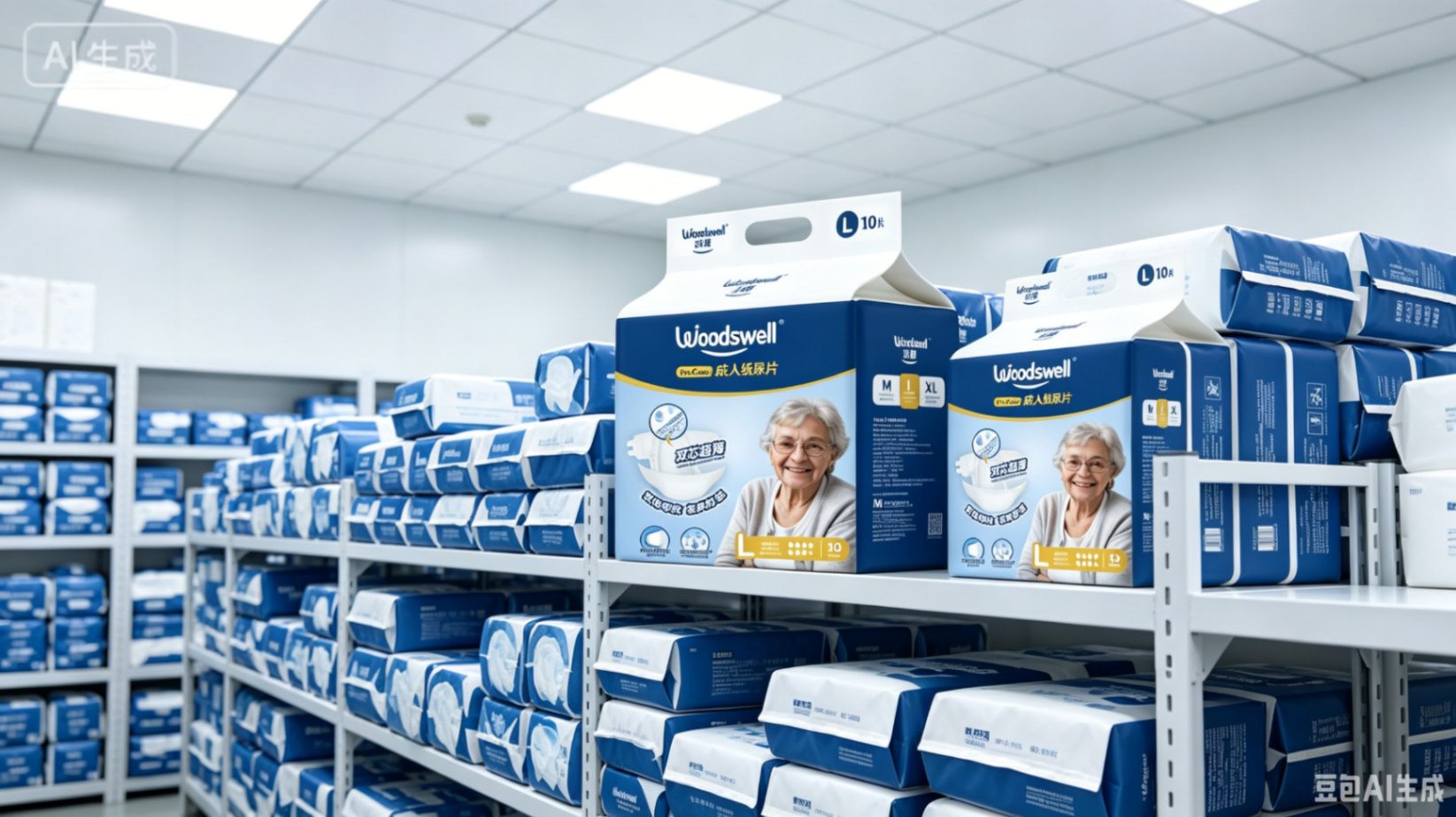
Third, ensure proper sizing and cost-effectiveness. Ill-fitting diapers are a top cause of leaks and discomfort—too tight causes chafing, while too loose leaves gaps. Measure residents’ waist and hips regularly, as weight fluctuations or aging can change body shape, and follow brand-specific size charts (sizes vary by manufacturer). For facilities, total cost of care matters more than unit price. High-quality diapers may cost slightly more per piece but reduce laundry costs, skin treatment expenses, and staff time spent on frequent changes. Bulk purchasing from reliable suppliers also helps lower long-term costs without compromising quality.
Finally, check quality certifications and conduct trials. Choose products tested for skin safety and compliance with healthcare standards, as uncertified diapers may contain irritating chemicals. Before bulk ordering, run a small trial with a few residents to test comfort, absorbency, and ease of use for caregivers. This avoids large-scale mistakes and ensures the product meets your facility’s specific needs.
In short, the right adult diapers balance resident comfort, skin health, nursing efficiency, and reasonable cost. By focusing on mobility matching, skin-safe materials, proper sizing, and practical trials, care facilities can provide better incontinence care while enhancing residents’ quality of life.